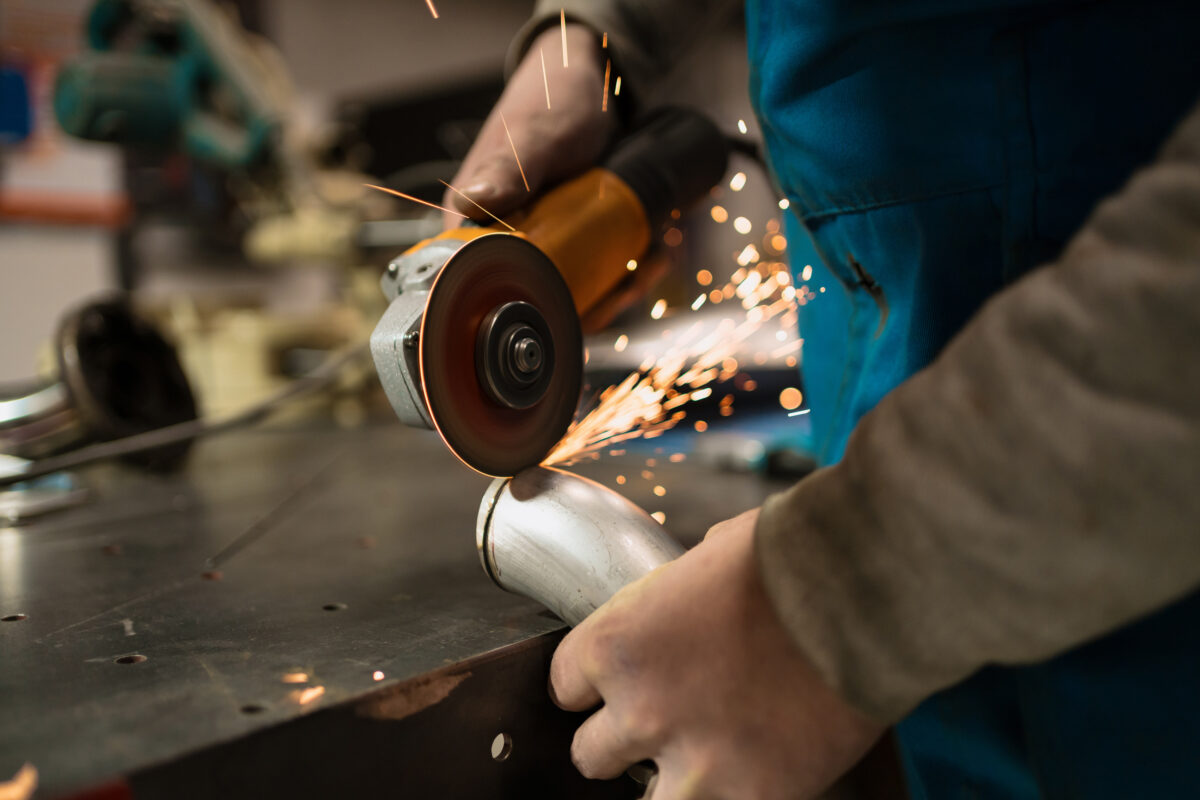

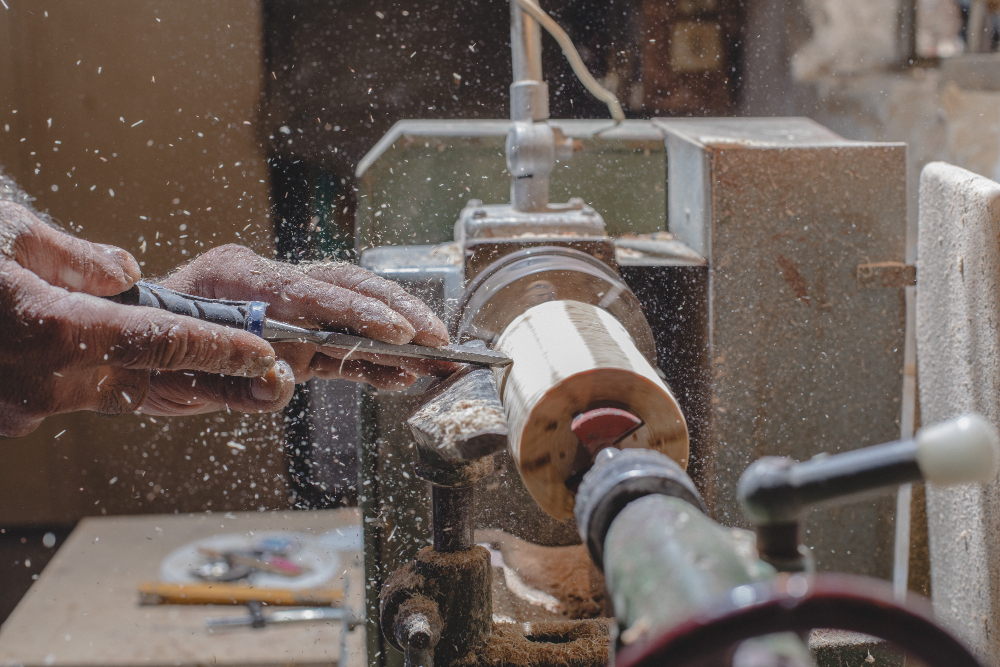
Cutting tools are essential components in modern manufacturing, directly influencing machining accuracy, productivity, and operational efficiency. From CNC machining centers to precision engineering units, the performance of cutting tools such as drills, taps, end mills, carbide inserts, and reamers determines both output quality and production cost.
In recent years, industries across the globe have experienced a steady rise in raw material costs. Materials such as carbide, high speed steel, cobalt, and other alloys used in manufacturing tools like carbide inserts, HSS drills, and milling cutters have become more expensive due to supply chain disruptions, geopolitical factors, and inflationary pressures.
This article explores how rising raw material costs are influencing cutting tool selection and how manufacturers can adapt their procurement strategies to maintain efficiency and cost control.
Understanding Raw Material Costs
What Drives Raw Material Costs?
Raw material costs refer to the expenses associated with sourcing metals and alloys used in manufacturing cutting tools. Several factors contribute to these cost fluctuations:
- Availability of raw materials such as tungsten, cobalt, and steel
- Mining output and global supply constraints
- Transportation and logistics costs
- Currency fluctuations
Supply Chain Dynamics
Global supply chains play a major role in determining material costs.
- Disruptions in mining or exports affect availability
- Geopolitical tensions can restrict supply routes
- Dependence on specific regions for key materials increases volatility
These factors directly impact the cost of producing cutting tools.
Market Demand and Economic Conditions
Rising demand from sectors such as automotive, aerospace, and infrastructure leads to increased consumption of raw materials. At the same time, inflation and economic conditions contribute to higher production costs.
As a result, manufacturers face consistent upward pressure on tooling costs.
Effects of Rising Raw Material Costs
Impact on Manufacturing Industries
Higher raw material costs lead to increased prices for cutting tools. This affects:
- Overall production cost
- Profit margins
- Tool replacement decisions
- Inventory planning
Manufacturers must carefully evaluate tool usage and performance to maintain cost efficiency.
Small vs Large Manufacturers
The impact varies depending on the scale of operations:
- Large manufacturers may absorb cost increases through bulk procurement and long-term contracts
- Small and medium enterprises (SMEs) often face higher pressure due to limited purchasing power and tighter budgets
This makes tool selection even more critical for smaller operations.
Cutting Tool Selection Criteria
Selecting cutting tools in a rising cost environment requires a more strategic approach.
Material Composition
The choice of tool material significantly affects both cost and performance.
- Carbide tools offer high performance but come at a higher cost
- High speed steel tools are more affordable but may have shorter tool life
Manufacturers must evaluate the balance between cost and durability.
Tool Geometry and Design
Tool design influences cutting efficiency, chip evacuation, and heat generation.
Optimized geometry can:
- Reduce cutting forces
- Improve surface finish
- Extend tool life
Even small improvements in design can result in significant cost savings over time.
Cutting Performance and Durability
Tool life and performance are key considerations.
A tool that lasts longer and maintains consistent performance reduces:
- Machine downtime
- Tool replacement frequency
- Production interruptions
Cost Considerations
Tool selection should not be based solely on initial price.
A lower cost tool with shorter life may increase overall operational cost. In contrast, a higher quality tool may offer better long-term value.
Performance vs Cost Trade-offs
Rising raw material costs make cost-benefit analysis more complex.
Manufacturers often face decisions such as:
- Choosing between high performance carbide tools and lower cost alternatives
- Investing in coated tools for longer life
- Balancing upfront cost with long-term savings
In many cases, higher initial investment in quality tools leads to reduced total cost of ownership through improved efficiency and reduced downtime.
Adapting to Rising Costs
Manufacturers can adopt several strategies to manage increasing tooling costs.
Material Substitution
Exploring alternative tool materials can help control costs.
- Using coated tools instead of solid high-cost materials
- Selecting hybrid solutions where applicable
Tool Optimization
Improving tool usage and performance can reduce overall consumption.
- Optimizing cutting parameters
- Using tools with better geometry
- Reducing unnecessary tool wear
Vendor Negotiation and Supply Chain Management
Working closely with suppliers helps improve cost efficiency.
- Negotiating bulk pricing
- Planning inventory based on consumption patterns
- Reducing emergency purchases
Suppliers with strong industry experience, such as Smith Engineering, often assist manufacturers in aligning tool selection with both performance requirements and cost constraints.
Investing in Technology
Advanced machining technologies help improve efficiency.
- CNC optimization
- Tool monitoring systems
- Automation in tool management
These technologies reduce waste and improve tool utilization.
Case Studies
Case Study 1: Automotive Manufacturer
A large automotive manufacturer faced rising costs for carbide tools due to increased raw material prices.
Approach:
- Shifted to coated tools with optimized geometry
- Improved cutting parameters
- Implemented tool monitoring systems
Results:
- Extended tool life
- Reduced overall tooling cost per component
- Improved production consistency
Case Study 2: Small Machining Unit
A small scale machining operation experienced cost pressure due to frequent tool replacement.
Approach:
- Selected tools with better durability
- Reduced reliance on low cost, short life tools
- Worked with a supplier to optimize tool selection
Results:
- Lower overall tooling expenses
- Improved machining stability
- Better cost control over time
Frequently Asked Questions
Why are cutting tool prices increasing?
Cutting tool prices are rising due to higher costs of raw materials such as carbide, cobalt, and steel, along with supply chain disruptions and inflation.
How can manufacturers reduce tooling costs?
Manufacturers can reduce costs by optimizing tool selection, improving machining parameters, and focusing on long-term tool performance rather than initial price.
Is it better to invest in high cost tools?
In many cases, high quality tools provide better durability and performance, resulting in lower total cost over time.
How do suppliers help in managing tooling costs?
Experienced suppliers provide guidance on tool selection, optimization, and inventory planning, helping manufacturers balance cost and performance effectively.
Conclusion
Rising raw material costs are reshaping the way manufacturers approach cutting tool selection. Instead of focusing solely on upfront pricing, businesses must evaluate total cost of ownership, tool performance, and operational efficiency.
By adopting a strategic approach that includes optimized tool selection, supplier collaboration, and efficient machining practices, manufacturers can manage cost pressures while maintaining productivity.
As material costs continue to fluctuate, the ability to make informed tooling decisions will remain a key factor in achieving long-term manufacturing success.