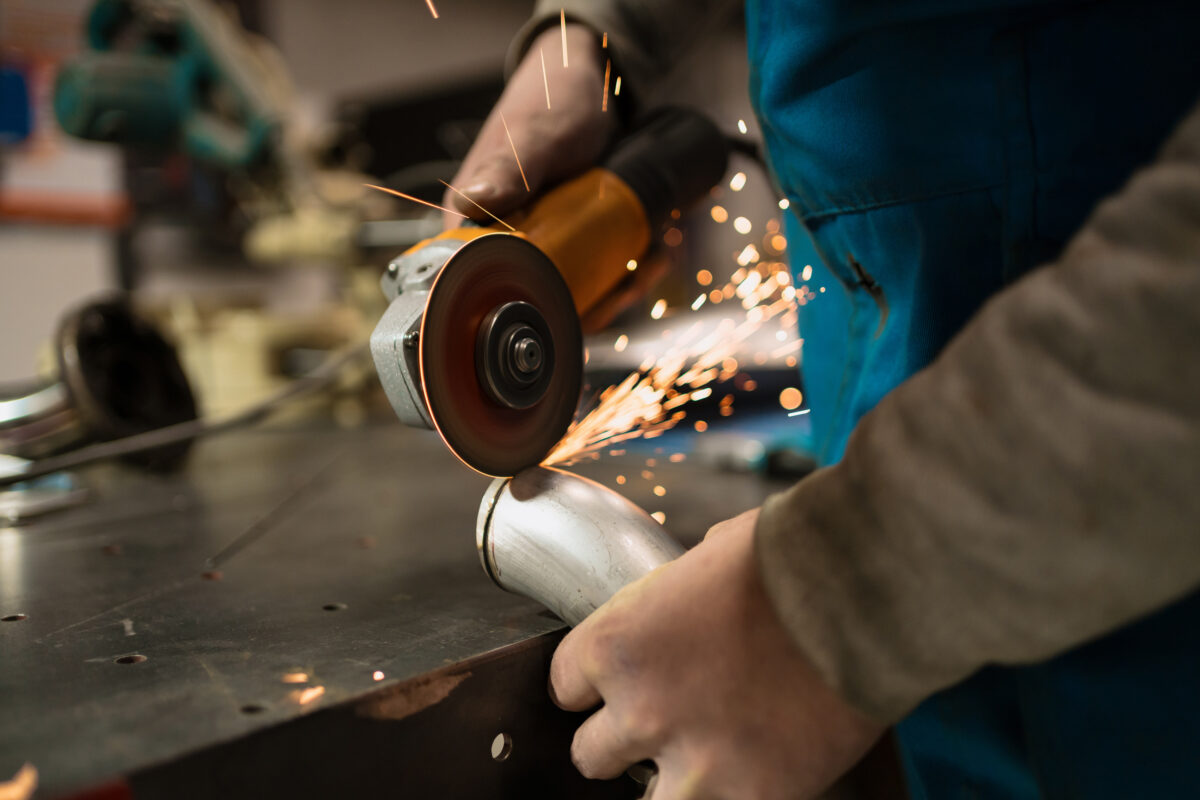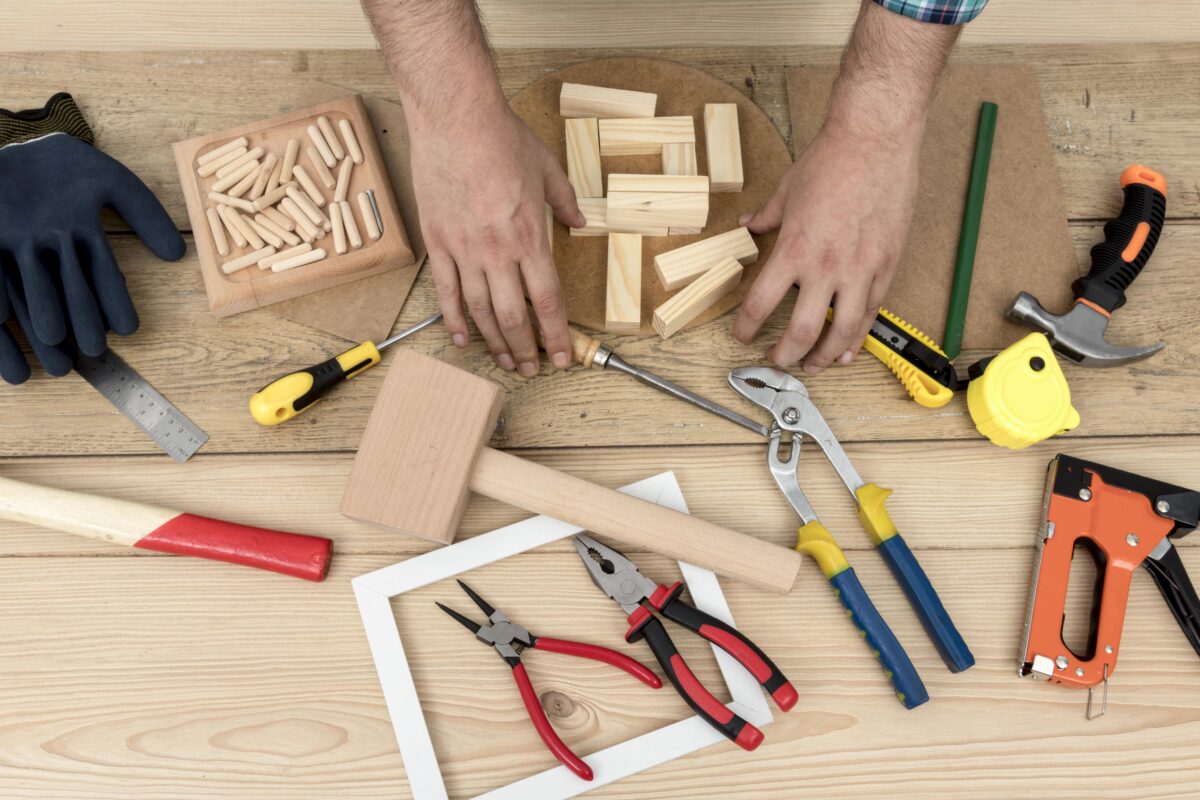


Selecting the right industrial tool supplier is a critical decision for any manufacturing unit. Industrial tools are not limited to cutting tools alone. A complete setup includes cutting tools, polishing wheels, blades, and hand tools, all of which play a role in machining, finishing, assembly, and maintenance operations.
The performance of these tools directly impacts production efficiency, surface quality, operator safety, and overall operational cost. A reliable supplier ensures consistent availability, proper guidance, and quality products across all these categories.
For factories operating in sectors such as automotive, aerospace, fabrication, and general engineering, choosing the right supplier is a strategic decision that affects productivity, cost control, and long-term operational stability.
Understanding Your Needs
Before selecting a supplier, it is important to clearly define your factory’s requirements across different tool categories.
Assess Your Specific Requirements
Identify the types of tools required in your operations:
- Cutting tools such as drills, taps, end mills, and inserts for machining
- Polishing wheels for surface finishing and material refinement
- Blades such as cutting discs, saw blades, and abrasive wheels
- Hand tools including spanners, screwdrivers, pliers, and maintenance tools
Each category serves a different stage of production, from machining to finishing and assembly.
Factories that evaluate their complete tooling needs are better positioned to select suppliers who can provide end-to-end solutions.
Volume and Frequency of Orders
Evaluate:
- Daily or monthly consumption of tools across all categories
- Frequency of reordering
- Requirement for bulk supply or just-in-time delivery
For example, polishing wheels and cutting discs may require more frequent replacement compared to hand tools, which are used over a longer duration.
Quality Standards and Certifications
Quality is critical across all tool types.
- Cutting tools must meet machining accuracy standards
- Polishing wheels must ensure consistent surface finish
- Blades must offer durability and safety
- Hand tools must be reliable for regular use
Certifications such as ISO compliance indicate consistent manufacturing processes and product quality.
Budget Considerations
A realistic budget should consider the entire tooling ecosystem.
- Cost of cutting tools based on tool life
- Replacement frequency of polishing wheels and blades
- Long-term durability of hand tools
Balancing quality and affordability ensures better cost control without compromising performance.
Researching Potential Suppliers
Sources for Finding Suppliers
Manufacturers can identify suppliers through:
- Industrial directories and B2B platforms
- Trade shows and manufacturing expos
- Recommendations from industry peers
Shortlisting suppliers who offer multiple categories of industrial tools is often more efficient than managing separate vendors for each requirement.
Evaluating Supplier Reputation
Assess:
- Customer reviews and testimonials
- Industry experience
- Case studies or client references
Suppliers with experience across machining, fabrication, and maintenance tools often provide more practical solutions.
Checking for Industry Certifications
Certifications help ensure product reliability.
Look for:
- ISO certifications
- Compliance with industrial safety standards
- Consistency in manufacturing quality
This is especially important for tools like blades and polishing wheels, where safety and performance are critical.
Assessing Supplier Capabilities
Product Range and Availability
A strong industrial tool supplier should offer:
- Cutting tools for machining operations
- Polishing wheels for finishing processes
- Blades for cutting and abrasive applications
- Hand tools for assembly and maintenance
Working with a supplier who covers all these categories simplifies procurement and improves consistency across operations.
Inventory availability is equally important. Suppliers who maintain ready stock help prevent production delays.
Technical Support and Service Offerings
Technical support is not limited to cutting tools alone.
A capable supplier should provide:
- Guidance on selecting the right cutting tools for machining
- Recommendations for polishing wheels based on surface finish requirements
- Selection of blades based on material and application
- Advice on hand tools for durability and usability
In many cases, factories benefit from working with experienced suppliers such as Smith Engineering, where multiple tool categories are aligned with actual shop floor requirements.
Responsiveness and Communication
Efficient communication is essential.
Evaluate:
- Response time to inquiries
- Clarity in quotations and product specifications
- Ability to handle urgent requirements
Reliable suppliers ensure smoother procurement and faster decision-making.
Analyzing Costs and Terms
Pricing Structures
Evaluate pricing across all tool categories:
- Compare tool performance and life, not just initial cost
- Assess bundled supply benefits when sourcing multiple tool types
- Avoid focusing only on lowest price
A balanced pricing approach ensures better long-term value.
Hidden Costs
Consider:
- Shipping and logistics costs
- Packaging and handling charges
- Downtime due to delayed supply
Understanding total cost helps in better financial planning.
Payment Terms and Conditions
Look for:
- Flexible payment options
- Credit terms for regular buyers
- Bulk order discounts
These factors support better cash flow management.
Building a Relationship with Your Supplier
Importance of Long-Term Partnerships
Working with a single, reliable supplier for multiple tool categories offers:
- Consistent product quality
- Better coordination across machining and finishing operations
- Improved pricing over time
- Faster support in urgent situations
Setting Expectations and Communication
Maintain regular interaction:
- Define delivery and quality expectations
- Review supplier performance periodically
- Share feedback for improvement
Suppliers like Smith Engineering often work closely with factories to ensure that tooling solutions evolve along with production needs.

Frequently Asked Questions
What tools should an industrial supplier provide?
A complete industrial tool supplier should provide cutting tools, polishing wheels, blades, and hand tools to support machining, finishing, and maintenance operations.
Why is it important to source multiple tool types from one supplier?
Working with a single supplier improves consistency, simplifies procurement, and ensures better coordination across different production stages.
How do polishing wheels and blades impact production quality?
Polishing wheels improve surface finish, while blades ensure precise cutting. Both directly affect final product quality and performance.
What role do hand tools play in industrial operations?
Hand tools are essential for assembly, maintenance, and repair tasks, supporting smooth day-to-day operations on the shop floor.
Conclusion
Industrial tooling is a combination of multiple components, including cutting tools, polishing wheels, blades, and hand tools. Each plays a critical role in machining, finishing, and maintenance processes within a factory.
Choosing the right industrial tool supplier ensures consistent availability, technical support, and reliable performance across all these categories. Manufacturers who take a structured approach to supplier selection can improve productivity, reduce downtime, and maintain quality standards.
In a competitive manufacturing environment, working with a knowledgeable and dependable supplier is essential for long-term operational success.