
Manufacturing costs play a critical role in determining business profitability and competitiveness. In industries such as automotive, aerospace, and general engineering, even small inefficiencies can significantly increase production expenses over time.
While factors like raw materials and labor are often closely monitored, the role of cutting tools is sometimes underestimated. In reality, cutting tools such as drills, taps, end mills, inserts, and reamers directly influence machining accuracy, cycle time, tool life, and overall production efficiency.
This article explains how selecting the right cutting tools can help manufacturers reduce costs, improve productivity, and achieve better operational performance.
Understanding Manufacturing Costs
What Are Manufacturing Costs?
Manufacturing costs include all expenses involved in producing goods. These are broadly divided into direct and indirect costs.
Direct Costs
Direct costs are directly linked to production.
- Raw materials used in manufacturing
- Labor costs associated with machining and assembly
Efficient use of tools can help reduce material waste and improve labor productivity.
Indirect Costs
Indirect costs are not directly tied to a specific product but affect overall operations.
- Overhead costs such as utilities and facility expenses
- Maintenance costs related to machines and tools
Poor tool performance can increase machine wear, energy usage, and maintenance requirements.
Importance of Cost Optimization
Minimizing manufacturing costs is essential for maintaining competitive pricing, improving profit margins, and sustaining long-term growth. Optimizing tooling is one of the most effective ways to achieve this.
The Role of Cutting Tools in Manufacturing
What Are Cutting Tools?
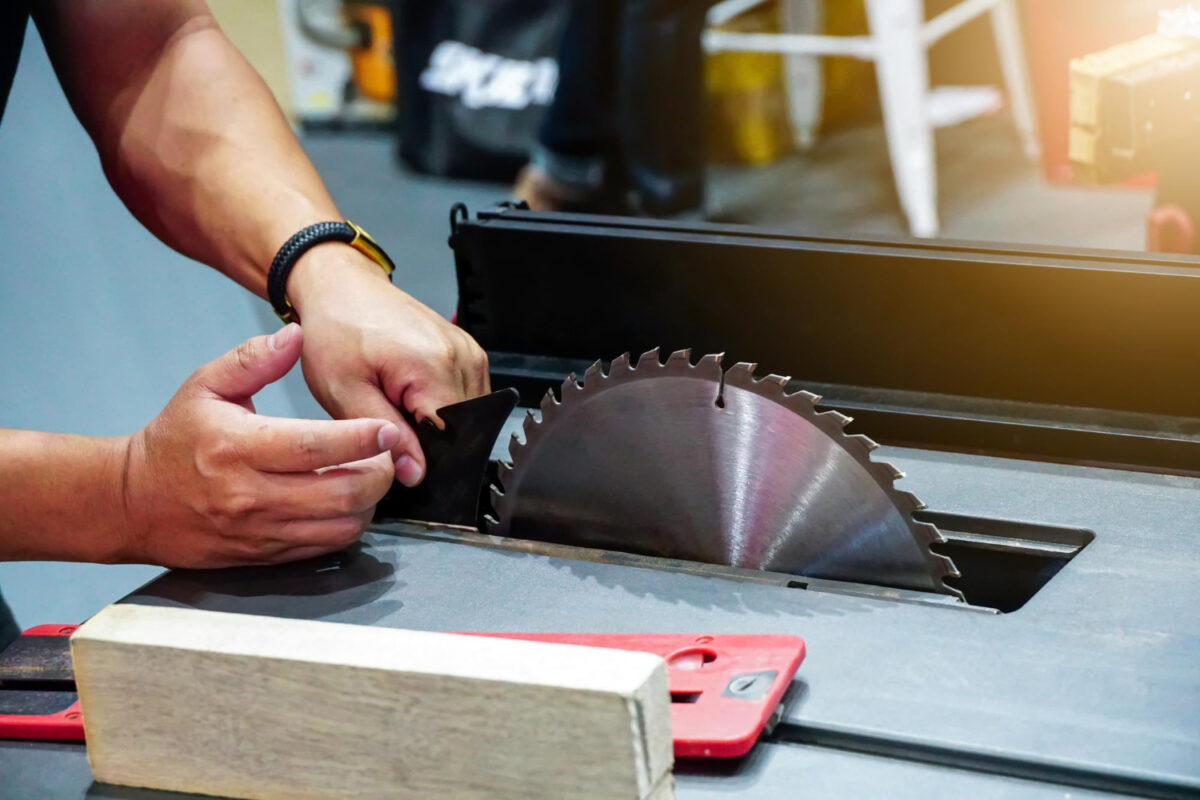
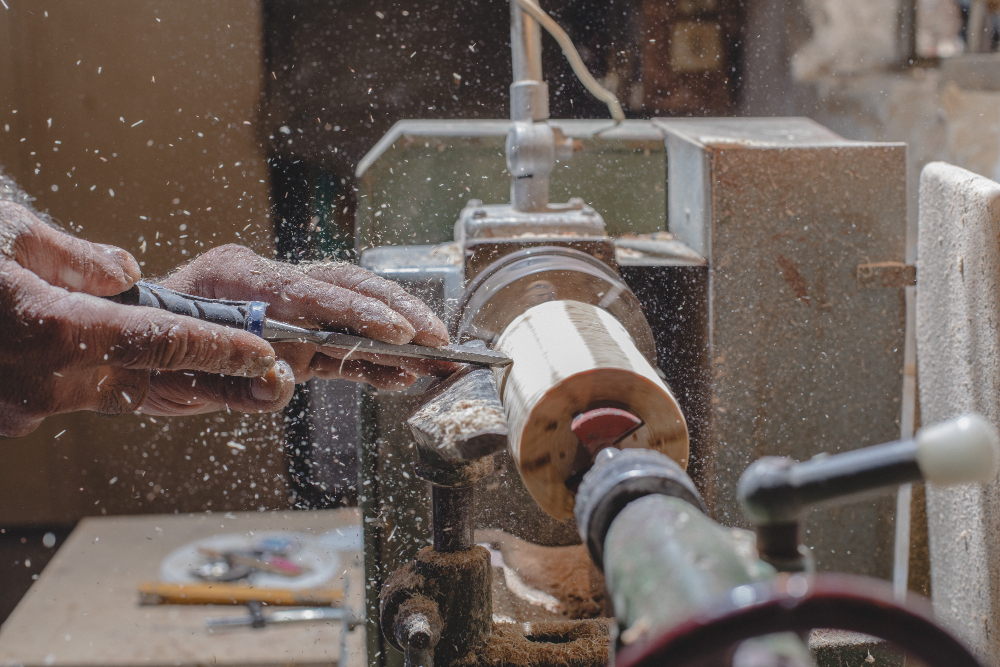
Cutting tools are used to remove material from a workpiece during machining processes such as turning, milling, drilling, and threading.
Types of Cutting Tools
- Traditional tools such as drill bits, saws, and taps
- Advanced tools including CNC tools, carbide tools, and coated inserts
Modern manufacturing relies heavily on advanced tooling solutions for precision and efficiency.
Importance of the Cutting Process
The cutting process determines:
- Dimensional accuracy
- Surface finish quality
- Production speed
- Tool life
Any inefficiency in cutting directly affects production cost and output quality.
How Cutting Tools Affect Manufacturing Costs
Material Efficiency
The quality of the cutting tool affects how efficiently material is used.
- Poor quality tools lead to higher scrap rates
- Inconsistent cuts result in rework and wastage
Impact:
Selecting high precision tools improves yield and reduces material loss.
Labor Efficiency
Tool reliability has a direct impact on labor productivity.
- Frequent tool changes increase operator workload
- Tool failures lead to unplanned downtime
Impact:
Reliable tools reduce interruptions and allow operators to focus on productive tasks.
Machine Performance
Cutting tools influence machine performance in several ways:
- Compatibility with machine capabilities
- Cutting speed and cycle time
- Energy consumption during operation
Impact:
Efficient tools improve machining speed and reduce power consumption, lowering overall operational costs.
Selecting the Right Cutting Tools
Material Selection
Choosing the correct tool material is essential for performance and cost efficiency.
- Carbide tools for high speed and precision applications
- High speed steel tools for general machining
Matching tool material with workpiece material improves tool life and cutting efficiency.
Tool Design and Geometry
Tool geometry affects cutting stability and performance.
- Proper rake angles improve chip flow
- Optimized flute design reduces friction
- Stable geometry minimizes vibration
Result:
Better design leads to smoother operations and reduced tool wear.
Coatings and Treatments
Modern cutting tools often include advanced coatings.
- Titanium Nitride (TiN)
- Titanium Aluminum Nitride (TiAlN)
These coatings provide:
- Higher wear resistance
- Reduced friction
- Better heat resistance
While coated tools may have higher initial cost, they often deliver better long-term value.
Case Studies
Example 1: Manufacturing Unit A
A mid-sized manufacturing unit faced high tooling costs due to frequent tool replacement and inconsistent machining performance.
Approach:
- Switched to higher quality carbide tools
- Optimized cutting parameters
- Reduced tool change frequency
Results:
- Lower material wastage
- Reduced downtime
- Improved production efficiency
Example 2: Precision Engineering Company
A precision engineering company experienced high rejection rates due to poor surface finish.
Approach:
- Adopted coated cutting tools
- Improved tool geometry selection
- Standardized tooling processes
Results:
- Improved surface quality
- Reduced rework
- Lower overall production cost
In both cases, working with experienced suppliers such as Smith Engineering helped align tool selection with actual machining requirements, resulting in measurable cost improvements.
Frequently Asked Questions
How do cutting tools reduce manufacturing costs?
Cutting tools improve material efficiency, reduce downtime, and enhance machining performance, which lowers overall production costs.
Is it worth investing in high quality cutting tools?
Yes. High quality tools typically offer longer life, better performance, and lower total cost over time.
How does tool selection affect machine performance?
The right tool improves cutting speed, reduces vibration, and lowers energy consumption, leading to better machine efficiency.
What factors should be considered when selecting cutting tools?
Key factors include tool material, geometry, coating, workpiece material, and machining conditions.
Conclusion
Cutting tools play a vital role in controlling manufacturing costs by influencing material usage, labor efficiency, and machine performance. Poor tool selection can lead to increased waste, downtime, and operational expenses.
By selecting the right tools based on application requirements, manufacturers can significantly improve productivity and reduce overall costs. Investing in high performance tools, optimized designs, and proper coatings ensures long-term cost savings.
In a competitive manufacturing environment, tooling decisions are not just operational choices but strategic investments. Manufacturers who evaluate and optimize their cutting tools can achieve better efficiency, improved quality, and sustainable cost advantages.