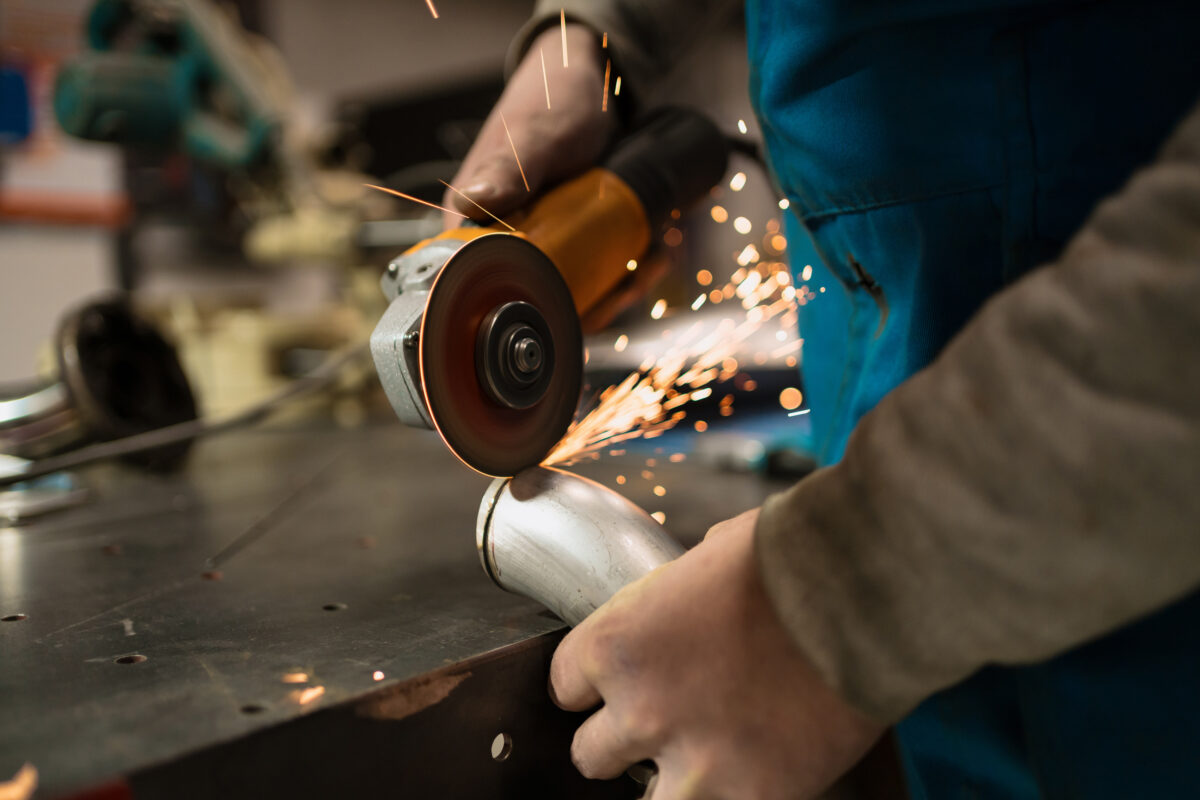


Selecting the right abrasive is just as important as choosing the right machine or cutting tool. The performance of a grinding wheel, flap disc, sanding belt, or coated abrasive largely depends on the type of abrasive grain used. Different grain types are engineered for different applications, and using the wrong one can result in slower material removal, excessive heat generation, shorter product life, and higher operating costs.
Among the most commonly used abrasive grains in industrial applications are Aluminum Oxide, Zirconia Alumina, and Ceramic Alumina. Each offers distinct advantages depending on the material being processed and the level of performance required.
This guide explains when to use each grain type and how manufacturers can achieve better productivity by selecting the right abrasive for the job.
Understanding Abrasive Grains
Abrasive grains are the cutting edges that perform the actual grinding, sanding, deburring, or finishing operation. As these grains wear down, their ability to cut efficiently changes depending on their composition and structure.
Modern abrasives are designed to balance three critical factors:
- Material removal rate
- Product lifespan
- Heat generation during operation
Choosing the correct grain helps optimize all three.
Aluminum Oxide: The Reliable General-Purpose Choice
Aluminum Oxide is one of the most widely used abrasive grains across manufacturing industries. It offers a good balance of cutting performance, durability, and affordability, making it ideal for general-purpose applications.
Best Applications
- Mild steel fabrication
- Carbon steel grinding
- General metal finishing
- Surface preparation
- Workshop maintenance operations
- Deburring and cleaning
Advantages
- Cost-effective solution
- Suitable for a wide range of materials
- Consistent performance
- Easily available in various abrasive products
Limitations
As Aluminum Oxide grains wear, they gradually become dull. This can reduce cutting efficiency and increase heat generation during prolonged heavy-duty grinding operations.
When to Choose Aluminum Oxide
If your operation involves routine grinding, sanding, or finishing of standard steel components and cost efficiency is a primary concern, Aluminum Oxide remains an excellent choice.
Many small and medium-sized fabrication workshops rely on Aluminum Oxide abrasives because they provide dependable performance without significantly increasing consumable costs.
Zirconia Alumina: Built for Heavy-Duty Grinding
When applications demand higher stock removal rates and longer abrasive life, Zirconia Alumina becomes a preferred option.
Zirconia grains possess a self-sharpening characteristic. During grinding, worn grain edges fracture and expose fresh cutting surfaces, allowing the abrasive to maintain its cutting ability for a longer period.
Best Applications
- Structural steel fabrication
- Heavy weld removal
- Stainless steel grinding
- Foundry operations
- High-pressure grinding
- Metal stock removal
Advantages
- Longer service life than Aluminum Oxide
- Faster material removal
- Excellent durability under pressure
- Reduced abrasive replacement frequency
Limitations
While Zirconia performs exceptionally well in aggressive grinding applications, it may not always deliver the fine surface finish required for precision operations.
When to Choose Zirconia
Manufacturers working with large weld seams, thick steel sections, or demanding stock removal applications often benefit significantly from Zirconia abrasives.
Industries such as automotive component manufacturing, heavy engineering, construction equipment production, and metal fabrication frequently choose Zirconia products to improve grinding efficiency and reduce downtime.
Ceramic Alumina: The Premium Choice for Precision and Cool Cutting
Ceramic abrasives represent some of the most advanced abrasive technologies available today. These grains are engineered to fracture in a highly controlled manner, continuously exposing sharp cutting edges throughout their lifespan.
The result is faster cutting, lower heat generation, and superior consistency.
Best Applications
- Aerospace components
- Precision engineering
- Stainless steel fabrication
- Tool and die manufacturing
- High-alloy materials
- CNC machining environments
Advantages
- Exceptional cutting speed
- Minimal heat buildup
- Extended abrasive life
- Superior performance on hard materials
- Reduced operator effort
Limitations
Ceramic abrasives typically carry a higher initial cost than Aluminum Oxide or Zirconia products.
However, many manufacturers find that the increased productivity and longer lifespan significantly reduce overall operating costs.
When to Choose Ceramic
If precision, surface quality, and process efficiency are critical, Ceramic abrasives are often the best choice.
They are particularly effective when working with stainless steel, hardened alloys, and heat-sensitive materials where excessive grinding temperatures can compromise product quality.
Comparing the Three Grain Types
Feature | Aluminum Oxide | Zirconia Alumina | Ceramic Alumina |
Cost | Low | Medium | High |
Material Removal Rate | Moderate | High | Very High |
Product Life | Good | Excellent | Exceptional |
Heat Generation | Moderate | Low | Very Low |
Best For | General Purpose | Heavy-Duty Grinding | Precision Applications |
Pressure Requirement | Light to Medium | Medium to High | Medium to High |
Productivity | Standard | High | Maximum |
How the Right Grain Reduces Manufacturing Costs
Many manufacturers focus primarily on the purchase price of abrasives, but the true cost lies in overall productivity.
A lower-cost abrasive that requires frequent replacement, generates excessive heat, or slows production may ultimately cost more than a premium product.
The correct grain selection can help:
- Increase material removal rates
- Reduce grinding time
- Improve surface finish quality
- Minimize operator fatigue
- Lower abrasive consumption
- Reduce downtime
For high-volume manufacturing environments, these savings can have a measurable impact on profitability and operational efficiency.
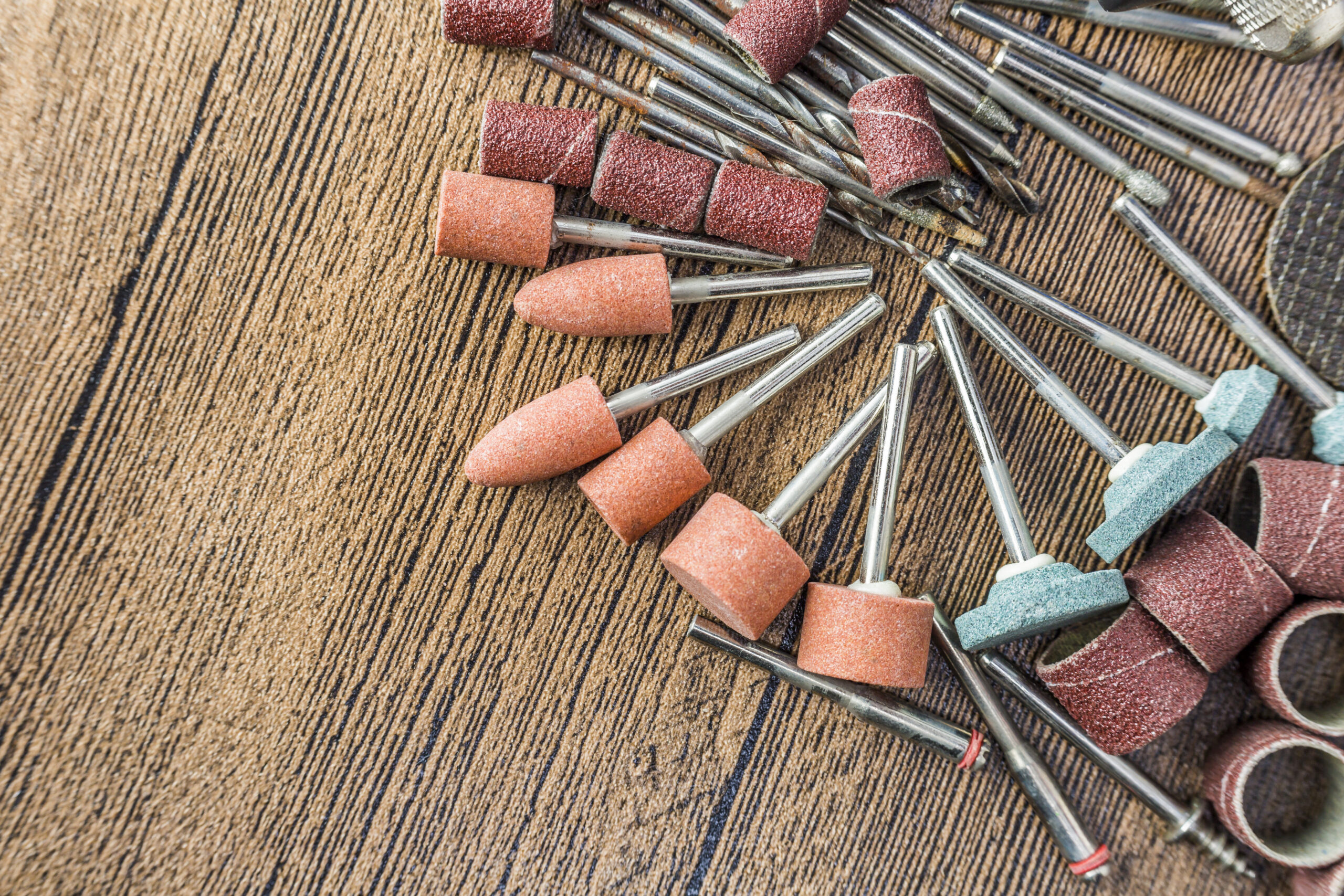
Why Abrasive Selection Matters More Than Ever
As manufacturing industries continue to focus on higher productivity and tighter quality standards, abrasive performance has become a key factor in overall operational success.
Whether it’s an automotive supplier removing weld seams, a fabrication workshop preparing metal surfaces, or a precision engineering company working with hardened alloys, choosing the correct abrasive grain can significantly influence production outcomes.
Many businesses unknowingly use general-purpose abrasives for demanding applications, leading to excessive tool consumption and avoidable costs. Understanding the strengths of Aluminum Oxide, Zirconia, and Ceramic abrasives helps manufacturers make smarter purchasing decisions and achieve better long-term value.
Conclusion
There is no single abrasive grain that works best for every application. The ideal choice depends on the material, operating conditions, desired finish, and production requirements.
- Aluminum Oxide remains the dependable choice for general-purpose grinding and finishing.
- Zirconia Alumina excels in aggressive, heavy-duty material removal applications.
- Ceramic Alumina delivers premium performance for precision grinding, cool cutting, and demanding industrial environments.
For manufacturers looking to optimize abrasive performance, working with an experienced industrial supplier can make a significant difference. With decades of experience serving automotive, engineering, fabrication, and manufacturing industries, Smith Engineering helps customers identify the most suitable abrasive solutions for their specific applications.
By offering access to trusted abrasive brands, technical guidance, and industry expertise, Smith Engineering enables businesses to select the right products for improved productivity, longer abrasive life, and lower operating costs. In today’s competitive manufacturing landscape, choosing the right abrasive grain is not just about cutting material efficiently. It is about maximizing performance across the entire production process.