
In today’s manufacturing environment, productivity isn’t just about investing in advanced machinery. The tools and consumables used on the shop floor play an equally important role in determining production efficiency, operating costs, and product quality.
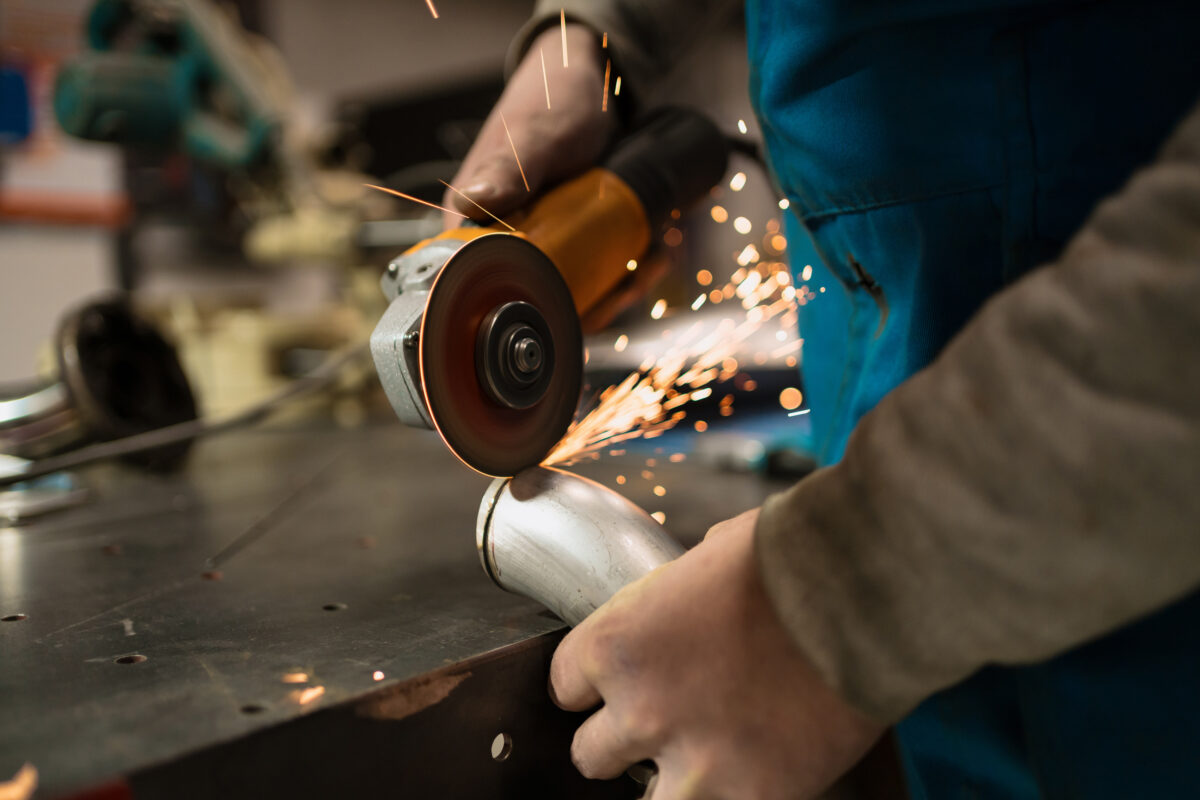
One often overlooked factor is the grinding wheel. While it may seem like a standard consumable, choosing the right grinding wheel can significantly improve material removal rates, extend tool life, reduce machine downtime, and produce better surface finishes. On the other hand, using an unsuitable grinding wheel can slow production, increase abrasive consumption, and even damage valuable workpieces.
Let’s explore how selecting the right grinding wheel can improve productivity across manufacturing operations.
Faster Material Removal Means Higher Output
The primary purpose of a grinding wheel is to remove material efficiently. However, not every grinding wheel is designed for every application.
A wheel that’s matched to the workpiece material, machine speed, and grinding operation removes material more effectively while requiring less effort from the operator.
For example, a grinding wheel designed for stainless steel performs differently from one intended for mild steel. Using the correct wheel helps maintain a consistent cutting action, allowing operators to complete jobs faster without compromising quality.
Over hundreds or thousands of components, even a small improvement in grinding speed can translate into significant gains in production output.
Longer Wheel Life Reduces Downtime
Every grinding wheel eventually wears out, but choosing the right specification can dramatically extend its usable life.
High-quality grinding wheels maintain their cutting performance for longer periods, reducing the frequency of wheel changes. This means operators spend less time replacing consumables and more time producing finished components.
Longer wheel life also results in:
- Fewer production interruptions
- Lower abrasive consumption
- Reduced maintenance time
- Improved machine utilization
For high-volume manufacturing environments, these improvements contribute directly to increased productivity.
Better Surface Finish Reduces Rework
Poor surface quality often leads to additional grinding, polishing, or finishing operations. These extra steps consume valuable production time and increase labor costs.
The correct grinding wheel delivers a more consistent finish by maintaining stable cutting performance throughout the grinding process.
This helps manufacturers:
- Meet dimensional tolerances
- Improve surface quality
- Reduce rejection rates
- Minimize secondary finishing operations
Producing quality components the first time allows production lines to operate more efficiently.
Lower Heat Generation Protects Components
Excessive heat is one of the most common problems during grinding operations. Incorrect grinding wheels can generate unnecessary friction, causing burns, discoloration, thermal damage, or distortion of the workpiece.
Modern abrasive technologies are designed to cut efficiently while minimizing heat buildup.
Lower grinding temperatures offer several advantages:
- Improved dimensional accuracy
- Better surface integrity
- Reduced risk of workpiece damage
- Longer wheel life
- More consistent production quality
This is especially important when grinding hardened steels, stainless steel, and precision-engineered components.
Reduced Operator Fatigue Improves Efficiency
Grinding is a demanding process, particularly during prolonged production runs.
A well-matched grinding wheel requires less pressure to achieve the desired cutting performance. Operators can work more comfortably while maintaining consistent productivity throughout the shift.
Reduced operator fatigue often leads to:
- Better process consistency
- Fewer operational errors
- Improved workplace safety
- Higher daily output
Even small ergonomic improvements can have a measurable impact in busy manufacturing facilities.
Selecting the Right Grinding Wheel for the Job
Several factors influence grinding wheel performance. Choosing the right combination ensures maximum productivity.
Consider the following before selecting a grinding wheel:
- Workpiece material
- Type of grinding operation
- Machine speed
- Required surface finish
- Material removal rate
- Wheel grade and hardness
- Abrasive grain type
- Bond type
Each application has unique requirements, and selecting the wrong wheel can increase production costs rather than reduce them.
Why Technical Guidance Matters
Many manufacturing companies focus only on the purchase price of a grinding wheel. However, the lowest-cost option isn’t always the most economical in the long run.
An abrasive that lasts longer, removes material faster, and minimizes downtime often delivers a significantly lower cost per component.
This is where experienced industrial suppliers add value. Rather than recommending a one-size-fits-all solution, they help manufacturers select grinding wheels based on the material, application, machine, and production goals.
Companies like Smith Engineering support manufacturers by supplying trusted abrasive brands and helping customers choose grinding wheels suited to their specific applications. As an experienced CUMI dealer, Smith Engineering also provides access to genuine abrasive solutions backed by technical guidance, helping manufacturers select the right products for applications ranging from general fabrication to precision engineering and heavy-duty grinding.
The Long-Term Impact on Manufacturing Performance
Improving productivity isn’t always about making major capital investments. Small changes in consumable selection can produce significant operational benefits over time.
By choosing the right grinding wheel, manufacturers can:
- Increase production output
- Extend abrasive life
- Reduce machine downtime
- Improve surface finish
- Lower grinding temperatures
- Minimize rework
- Reduce overall manufacturing costs
When these benefits are multiplied across daily production, the impact on profitability becomes substantial.
Conclusion
The right grinding wheel is more than just a consumable. It is a productivity tool that influences machining efficiency, product quality, operating costs, and overall manufacturing performance.
Selecting a wheel that matches the application helps manufacturers achieve faster material removal, longer service life, improved surface finish, and reduced downtime.
For businesses looking to optimize grinding operations, partnering with an experienced industrial supplier can make the selection process easier. With an extensive range of grinding wheels and abrasives from leading brands, including CUMI, Smith Engineering helps manufacturers identify solutions that improve productivity while supporting consistent, reliable performance on the shop floor.