

In the world of machining and manufacturing, drills and taps are indispensable tools. They help create precise holes and threads in various materials, making them essential for any workshop. However, like any tool, they are prone to wear and tear over time. Proper maintenance is key to ensuring their longevity and optimal performance. In this article, we’ll explore practical tips to extend the life of your drills and taps, saving you time and money in the long run.
Drill and tap maintenance is not just about keeping your tools clean; it’s about ensuring they operate at their best. Regular maintenance can prevent issues such as breakage, poor performance, and the need for frequent replacements. By understanding the basics of tool maintenance, you can make informed decisions and keep your equipment in top shape.

Why Maintenance Matters
Proper maintenance of drills and taps is crucial for several reasons. First, it helps maintain the precision and quality of your work. A well-maintained tool cuts more efficiently and accurately, resulting in cleaner holes and threads. Second, regular maintenance reduces the risk of tool failure, which can lead to costly downtime and repairs. Lastly, extending the life of your tools means you won’t have to replace them as often, saving you money in the long term.
Tips for Drill Maintenance
Drills are versatile tools that come in various shapes and sizes. Whether you’re using a handheld drill or a drill press, these maintenance tips will help keep your drills in excellent condition.

1. Keep Your Drills Clean
One of the simplest yet most effective maintenance practices is keeping your drills clean. After each use, wipe down the drill bits with a clean cloth to remove any debris, dust, or coolant. This prevents buildup that can affect performance and lead to corrosion.
2. Lubricate Regularly
Lubrication is vital for reducing friction and heat during drilling operations. Apply a suitable lubricant to the drill bits before use, especially when working with metal. This not only extends the life of the drill but also improves cutting efficiency.
3. Sharpen When Necessary
Over time, drill bits can become dull, impacting their cutting ability. Regularly inspect your drill bits and sharpen them when needed. A sharp drill bit requires less force and generates less heat, reducing the risk of damage.
4. Store Properly
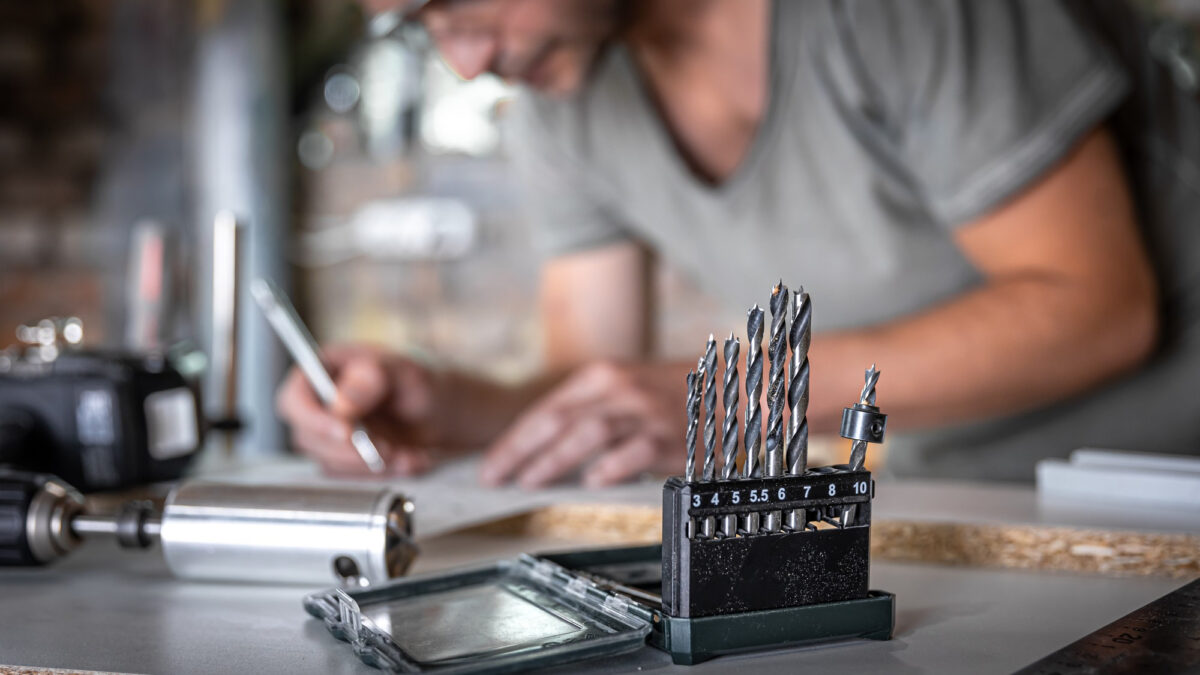
Proper storage is often overlooked but crucial for maintaining your drills. Store drill bits in a dry, organized manner to prevent rust and damage. Consider using a drill index or a dedicated case to keep them safe and easily accessible.
Tips for Tap Maintenance
Taps are essential for creating threads in pre-drilled holes. Like drills, they require regular maintenance to ensure optimal performance and longevity.
1. Clean After Use
Just like drills, taps should be cleaned after each use. Remove any chips, dirt, or coolant residue from the tap’s threads with a brush or compressed air. This prevents buildup and ensures smooth operation during the next use.
2. Use the Right Tap for the Material
Using the appropriate tap for the material you’re working with is crucial. Different materials require different tap designs and coatings. For example, high-speed steel taps are ideal for general-purpose use, while carbide taps are better suited for harder materials.
3. Avoid Excessive Force
Applying excessive force when using taps can lead to breakage and damage. Ensure that the tap is aligned correctly with the hole and let the tool do the work. If you encounter resistance, back off and clear the chips before continuing.
4. Regularly Inspect for Wear
Regularly inspect your taps for signs of wear, such as chipped threads or dull cutting edges. Replace any damaged taps promptly to prevent further issues and maintain the quality of your work.
Additional Equipment Maintenance Tips
While drills and taps are essential tools, maintaining other equipment in your workshop is equally important. Here are some general equipment maintenance tips to keep your entire toolkit in top shape.
- Keep an Organized Workspace: A clean and organized workspace not only improves efficiency but also helps prevent damage to your tools. Keep your workbench free of clutter and ensure that tools are stored in their designated places.
- Perform Regular Inspections: Regularly inspect all your tools and equipment for signs of wear, damage, or malfunction. Address any issues promptly to prevent them from escalating and causing further problems.
- Follow Manufacturer Guidelines: Always follow the manufacturer’s guidelines for maintenance and operation. These instructions are designed to ensure the safe and effective use of your tools and equipment.
- Invest in Quality Tools: Investing in high-quality tools may require a higher upfront cost, but they often offer better performance and durability. Quality tools are less prone to wear and tear, ultimately saving you money in the long run.
Conclusion
Maintaining your drills, taps, and other equipment is an investment in the longevity and performance of your tools. By following these practical maintenance tips, you can extend the life of your tools, improve the quality of your work, and save money on replacements. Remember, regular maintenance is not just a chore; it’s a crucial part of ensuring your workshop operates smoothly and efficiently. Keep your tools in top condition, and they will serve you well for years to come.
Read Also:- Ultimate Guide to Taps: Basics, Innovations & Top Brands in India