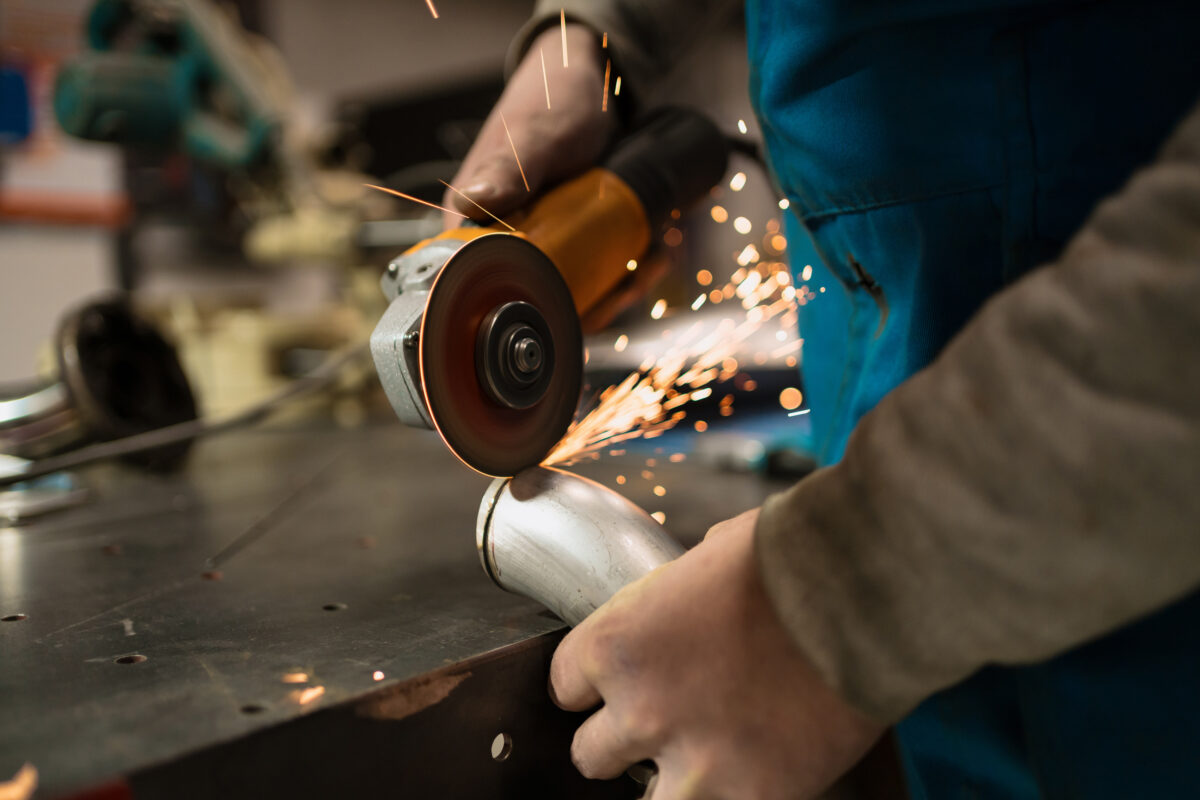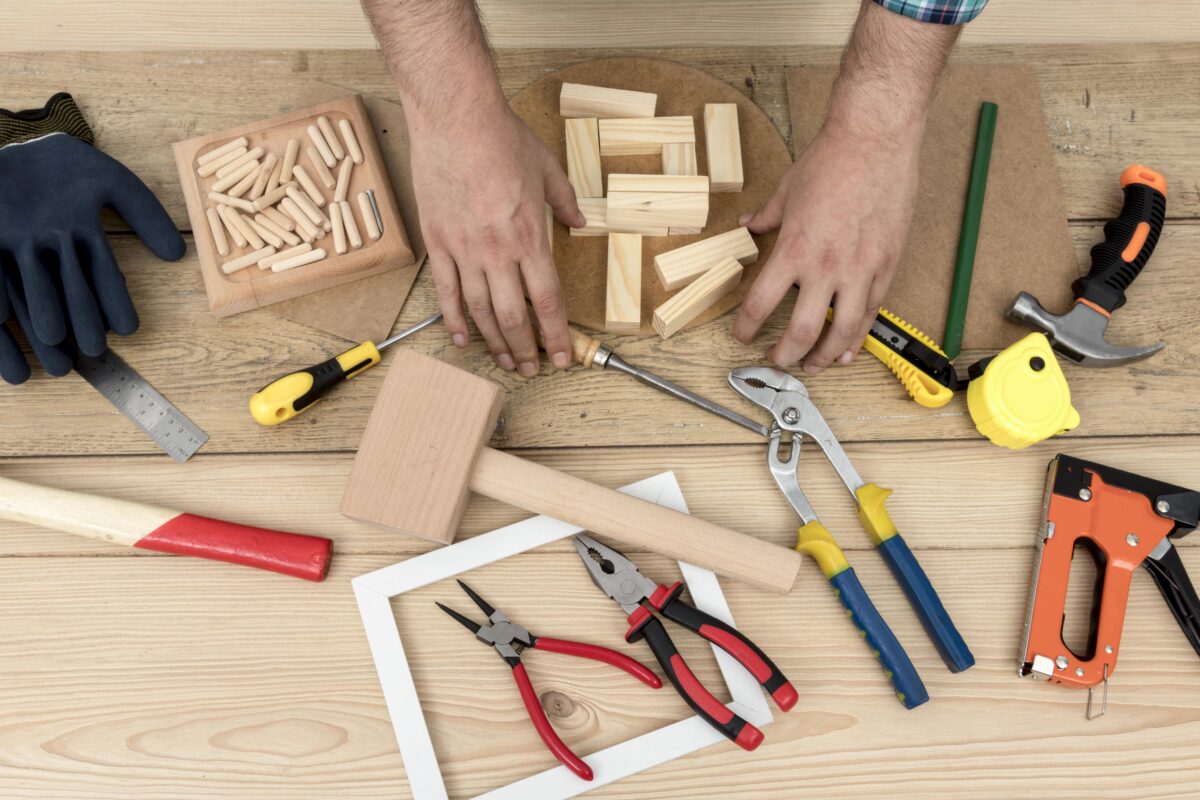


Tool availability refers to the ready access to the right tools, in the right condition, at the right time to perform a specific task. This includes hand tools, cutting tools, machine tools, digital tools, and specialized equipment required across production and service environments.
In today’s competitive industrial landscape, tool availability has become a core operational factor, directly influencing cost efficiency, product quality, and delivery reliability.
Importance of Tools in Production and Service Industries
Tools form the foundation of all operational activity. Whether in manufacturing, construction, maintenance, fabrication, or service industries, tools directly influence:
- How efficiently work is executed
- How accurately tasks are performed
- How reliably output standards are met
Even the most skilled workforce cannot perform optimally without consistent access to appropriate hand tools and cutting tools, making tool availability a strategic concern rather than a routine procurement issue.
Overview of the Impact of Tool Availability on Cost, Quality, and Delivery Timelines
When tools are unavailable, unsuitable, or worn out, organizations experience higher operating costs, inconsistent output quality, and missed delivery deadlines. In contrast, strong tool availability enables smoother workflows, predictable performance, and dependable timelines key advantages in modern production environments.
Understanding Tool Availability
Physical Tools vs. Digital Tools
Physical tools include:
- Hand tools (spanners, pliers, screwdrivers, hammers)
- Cutting tools (drills, taps, end mills, inserts)
- Measuring instruments and machine tools used directly in operations
Digital tools include:
- Software for design, simulation, scheduling, monitoring, and maintenance
Both physical and digital tools must be available and functional to ensure uninterrupted operations and informed decision-making.
Specialized vs. General-Purpose Tools
General-purpose tools are versatile and used across multiple applications, commonly found in maintenance and assembly operations.
Specialized tools, such as solid carbide cutting tools or precision hand tools, are designed for specific materials or tasks and often face tighter availability constraints making dependable sourcing critical.
Factors Influencing Tool Availability
Supply Chain Dynamics
Global sourcing of raw materials, transportation delays, and supplier capacity directly affect how quickly tools can be replenished. For industries dependent on advanced cutting tools or branded hand tools, even minor supply disruptions can cause significant operational delays.
Maintenance and Durability
Poor maintenance shortens tool life and reduces availability. Tools that are not inspected, serviced, or replaced on time lead to unexpected breakdowns, machine stoppages, and productivity losses.
Technological Advancements
As tools become more advanced, they require specialized manufacturing processes and materials. While this improves performance and accuracy, it also increases reliance on reliable wholesale suppliers and dealers.
Impact of Tool Availability on Cost
Direct Cost Implications:
Initial Purchase Costs
Limited availability may force organizations to procure tools at premium prices or from alternate suppliers, increasing upfront expenditure.
Maintenance and Operational Costs
Using worn or unsuitable tools accelerates machine wear, increases scrap rates, and raises energy consumption driving up operational costs.
Indirect Cost Implications:
Downtime Due to Tool Unavailability
Machine idle time is one of the most expensive outcomes of tool shortages. Automated and CNC-driven production lines cannot function without the correct hand tools and cutting tools.
Workforce Costs Related to Inefficiencies
Operators waiting for tools, reworking defective parts, or adapting to suboptimal equipment leads to reduced productivity and higher labor overheads.
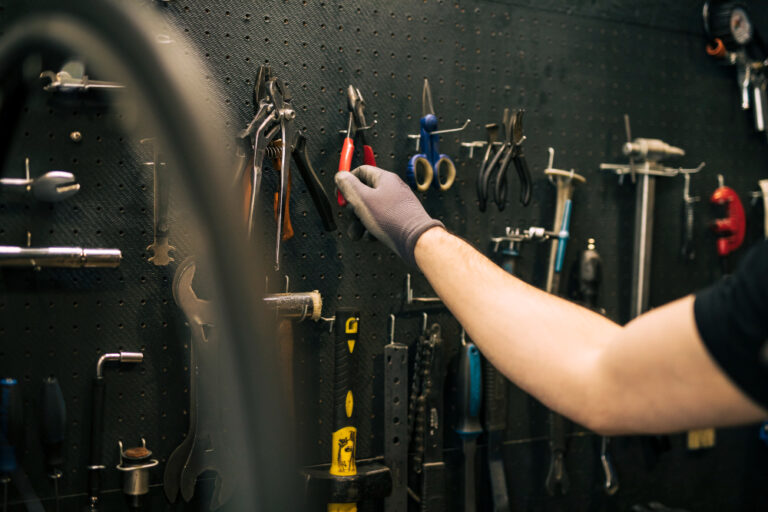
Impact of Tool Availability on Quality
Quality of Outputs:
Precision and Reliability with Available Tools
Consistent access to specified tools ensures dimensional accuracy, better surface finishes, and repeatable results especially critical in precision manufacturing.
Variability in Quality with Tool Limitations
When teams substitute tools due to availability issues, output quality often becomes inconsistent, resulting in higher rejection and rework rates.
Training and Skill Development:
Role of Tools in Facilitating Skill Enhancement
Modern hand tools and cutting tools allow operators to fully apply their skills, adopt best practices, and work within defined tolerances.
Consequences of Inadequate Tools on Worker Training
Outdated or insufficient tools limit skill development, reduce operator confidence, and increase the likelihood of errors particularly among newer workers.
Examples and Evidence:
Case Studies Illustrating Quality Variations Due to Tool Issues
Manufacturers have documented quality declines when switching from specified tools to readily available alternatives during shortages, reinforcing the direct link between tool availability and output quality.
Impact of Tool Availability on Delivery Timelines
Production Efficiency:
How Tool Availability Affects Workflow
Tool availability determines how smoothly tasks progress across production stages. Missing or delayed tools disrupt sequencing and create bottlenecks.
Relationship Between Tool Availability and Cycle Times
High-quality cutting tools reduce cycle times, while tool shortages or failures extend production cycles and delay order completion.
Meeting Deadlines:
How Tool Limitations Can Delay Projects
Unplanned tool shortages often result in missed milestones, rescheduled deliveries, and strained customer relationships.
Strategies to Mitigate Delays Due to Tool Issues
Maintaining buffer inventory, forecasting tool demand, and working with dependable wholesale partners significantly reduce delivery risks.
Practical Examples:
Manufacturers with access to reliable tooling networks such as Smith Engineering, a taparia wholesale distributor, an addison wholesale supplier, or a Miranda Wholesale Dealer are better positioned to respond quickly to changing production demands and avoid delivery slippages caused by tool shortages.
Strategies for Improvement
Investing in Tool Availability:
Financial Implications of Investing in Better Tools
While high-quality tools may involve higher upfront costs, they significantly reduce long-term expenses related to downtime, scrap, and maintenance.
Long-Term Benefits of Improved Tool Availability
Reliable tool access results in stable production, predictable costs, and improved customer satisfaction.
Maintenance and Management Practices:
Regular Maintenance Schedules
Preventive maintenance ensures tools remain operational and reduces unexpected failures.
Inventory Management Techniques
Tracking tool usage, wear patterns, and replacement cycles enables proactive procurement planning.
Utilizing Technology:
Software Solutions to Monitor Tool Availability
Digital tool management systems help track inventory levels, tool life, and usage trends in real time.
Leveraging Automation to Enhance Productivity
Automation combined with consistent tool availability maximizes machine utilization and minimizes human-dependent delays.
Conclusion
Tool availability plays a decisive role in shaping cost efficiency, product quality, and delivery performance across industries. When hand tools and cutting tools are readily available, well-maintained, and appropriately selected, organizations benefit from smoother workflows, consistent quality, and reliable timelines.
In an increasingly competitive market, proactive tool management and partnerships with dependable wholesale distributors and suppliers are no longer optional, they are essential for sustainable operational success.